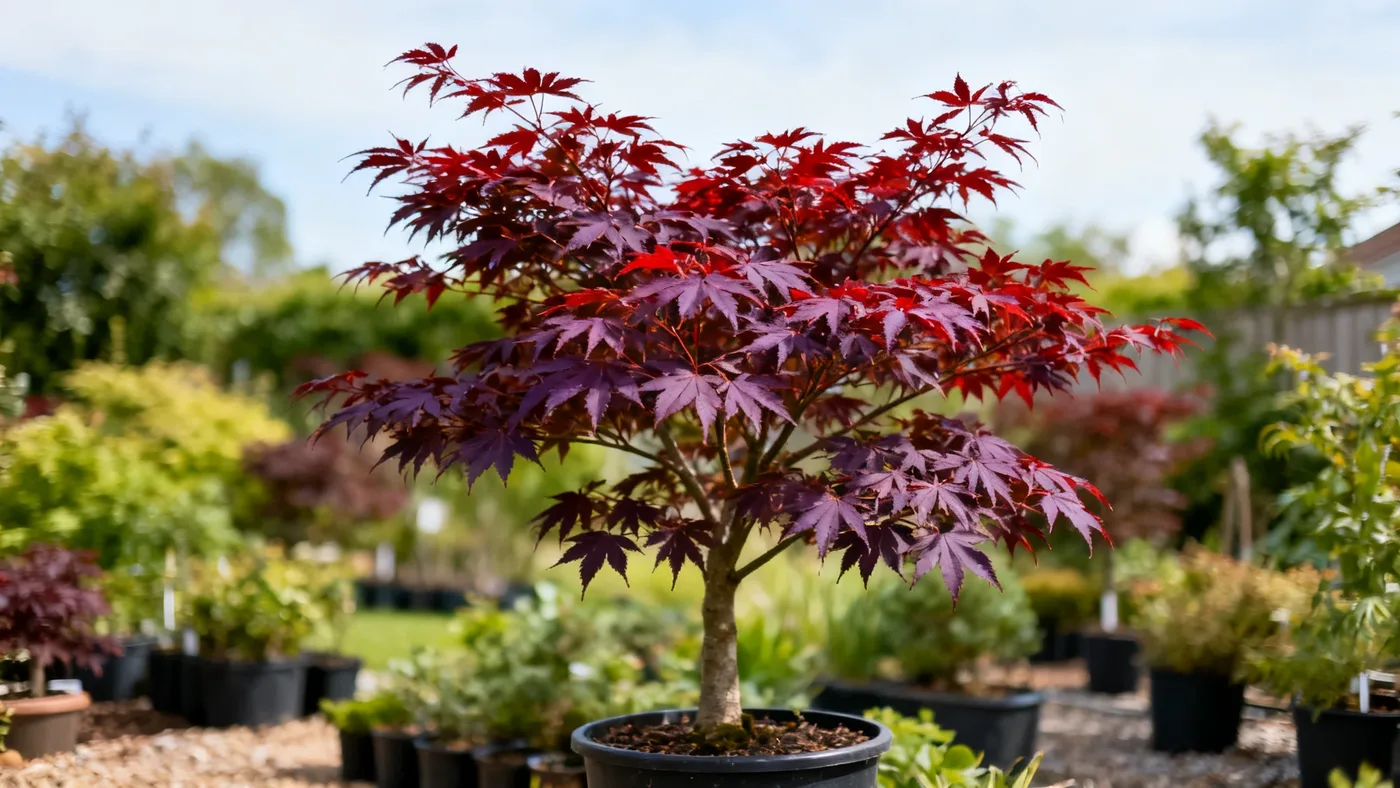
Japanese Red Maple Hardiness Zones: Where It Grows Best
Basic Zone Information
What USDA hardiness zones does Japanese Red Maple tolerate?
Japanese Red Maple grows reliably in USDA zones 5 through 8. In zone 9, some cultivars can tolerate the climate but require afternoon shade to prevent leaf scorch and color fading. Exact zone tolerance can shift by up to a full zone depending on your specific plant's genetic line, so checking with your local extension service for your exact microclimate is always wise.
Can Japanese Red Maple survive in zone 4?
Zone 4 winters are generally too harsh for Japanese Red Maple. The plant's tender growth can suffer dieback in temperatures that dip regularly below minus 20 degrees Fahrenheit. If you are set on growing this species in zone 4, you would need to select the hardiest available genetic stock and site it in a very protected location, but success is not guaranteed.
Is Japanese Red Maple cold hardy?
Yes, Japanese Red Maple is moderately cold hardy compared to many ornamental maples. Its hardiness in zones 5 through 8 makes it suitable for much of the temperate United States. Young trees are more vulnerable to frost crack and winter injury than established specimens, so proper siting and mulching during the first few years pays off.
What does hardiness zone mean for this plant?
Hardiness zones are based on average annual minimum temperatures. A plant rated for zones 5 through 8 means it can survive the coldest winter temperatures in those zones. However, hardiness is not just about cold, sun exposure, moisture, soil quality, and wind also affect whether your tree thrives or merely survives in your zone.
Cold Hardiness and Winter Protection
Should I protect my Japanese Red Maple in winter?
Once established (after 2 to 3 years), mature Japanese Red Maples rarely need winter protection in zones 5 through 8. Young trees planted in fall or early winter benefit from a 3 to 4 inch mulch layer applied after the ground freezes to insulate roots from freeze-thaw cycles. Avoid mulch piled against the trunk, which invites rot and rodent damage.
What winter damage should I watch for?
Trunk sunscald is the most common winter injury on young Japanese Red Maples growing in full sun. The sun warms the bark on winter days, then freezing temperatures crack it at night. The tree may also suffer branch die-back from extreme cold, especially new tender growth. Proper site selection (part shade in cold regions) and pruning only in late fall to midwinter dormancy reduces these risks.
Will spring frost kill my Japanese Red Maple?
A late spring freeze after leaf-out can damage new foliage and set back growth, but it rarely kills the tree. Japanese Red Maple flowers and leafs out in early to mid-spring before many other plants, making late frost damage a real possibility in zones with unpredictable springs. The tree will typically leaf out again from dormant buds if damage occurs.
How do I prevent frost crack on young trees?
Frost crack occurs when trunk wood expands in warm sun and contracts in freezing cold. Planting in a location that does not face the winter sun, wrapping young trunks loosely with burlap during the first one to two winters, and avoiding late-summer fertilizing that stimulates tender growth all help. Allow the tree to harden off naturally in fall rather than forcing fast growth.
Heat and Hot-Climate Hardiness
Can Japanese Red Maple grow in zone 9?
Some cultivars of Japanese Red Maple tolerate zone 9 conditions, but only with afternoon shade. The intense sun and heat in many zone 9 regions cause leaf scorch, color fading (leaves may turn green in deep shade or extreme heat), and water stress. If you are in zone 9 and want to try this plant, choose a spot with morning sun and afternoon shade, and water consistently.
What is leaf scorch and why does it happen?
Leaf scorch is browning or bleaching of leaf margins and tips caused by heat, wind, or drought stress, not a disease. Japanese Red Maple is especially prone to scorch in hot climates or when soil dries between waterings. Once you see scorch, the damage is done for that season, but consistent moisture and afternoon shade the following year prevent recurrence.
How does heat affect the color of Japanese Red Maple?
In zone 8 and warmer, intense summer heat can fade the red or reddish-purple color of the foliage, sometimes shifting it toward green. The effect varies by cultivar and season. Afternoon shade, consistent moisture, and careful site selection help preserve the vivid red color that makes this tree valuable. Fall color (red, orange, or crimson) typically returns as temperatures cool in autumn.
What is the difference between sun and shade in hot climates?
In zones 5 through 7, Japanese Red Maple grows best in full sun to part shade. In zone 8 and zone 9, afternoon shade becomes critical: it prevents leaf scorch, preserves red color, and reduces water stress. "Afternoon shade" means direct sun until 2 to 3 p.m., then filtered or dappled light for the rest of the day, not all-day dense shade.
Site Selection Within Your Zone
Where should I plant Japanese Red Maple on my property?
Choose a location with rich, well-drained loam high in organic matter and slightly acidic soil (pH around 5.5 to 6.5). The site should be 10 to 15 feet away from structures and other trees for standard upright forms, or less for dwarf or weeping cultivars. Avoid low spots where water pools after rain, as Japanese Red Maple does not tolerate standing water or waterlogged soil.
How important is wind protection?
Wind stress compounds the risk of leaf scorch and can physically damage the delicate, deeply lobed leaves. In zones with prevailing strong winds or exposed properties, choose a site on the lee side of a fence, hedge, or building. Avoid planting at the top of a hill or in an open, windswept area if you are in a cold zone or hot climate.
Can Japanese Red Maple grow in full shade?
Japanese Red Maple will grow in part shade but typically shows weaker red color and may lean toward green foliage if shade is too dense. In zones 5 through 7, full sun (or at least 4 to 6 hours of direct morning sun) yields the best color and vigor. Full-shade planting is not recommended except in zone 8 and 9 where afternoon shade is beneficial to prevent heat damage.
What soil pH does Japanese Red Maple prefer?
Japanese Red Maple prefers slightly acidic soil with a pH around 5.5 to 6.5. Alkaline soil (above 7.0) can cause nutrient deficiencies and yellowing foliage. If your soil is naturally alkaline, amend it with sulfur or peat moss to lower pH, or grow your Japanese Red Maple in a large container with acidic potting soil instead of planting it in the ground.
Planting and Establishment
When is the best time to plant Japanese Red Maple?
Plant in early spring or fall, avoiding peak summer heat. Fall planting gives roots time to establish before dormancy, while spring planting allows the tree to settle in before heat arrives. Avoid planting in mid-summer when heat stress is high and water demand is greatest. Young trees need regular, consistent watering for the first 2 to 3 years regardless of season.
How fast does Japanese Red Maple grow?
Japanese Red Maple grows at a slow to moderate rate, typically 6 to 12 inches per year once established. Standard upright red forms reach 15 to 25 feet tall and 12 to 20 feet wide at maturity, though dwarf or cutleaf cultivars often stay 6 to 10 feet tall. Reach significant landscape size in 10 to 15 years and can live 80 to 100 years or more with good siting and care.
What do I need to know about watering during establishment?
Water newly planted trees deeply and consistently, keeping soil evenly moist (not soggy) for the first 2 to 3 years. In zones 5 and 6, natural rainfall usually suffices, but in zones 7 and 8 or during dry spells, water weekly if rain does not fall. Drought stress in young trees increases their vulnerability to pest damage and winter injury.
Regional Specifics and Special Considerations
Can I grow Japanese Red Maple in coastal areas?
Japanese Red Maple has poor salt tolerance, so it is not ideal for coastal regions where salt spray or road salt is a factor. If you live near the coast, select a location well away from ocean spray and salt-laden winds, or choose a more salt-tolerant ornamental tree. Wind protection and consistent freshwater irrigation help mitigate salt stress if you are determined to plant it.
How do I know if my region is in a rain shadow or drought zone?
Japanese Red Maple requires consistent, even moisture and has low to moderate drought tolerance. If your region receives less than 30 inches of annual rainfall or has frequent dry summers, plan to irrigate regularly during establishment and hot spells. Talk to your local extension service about your area's average rainfall and whether supplemental watering is necessary in your zone.
Is there a difference between growing Japanese Red Maple in the North vs. the South?
Northern sites (zones 5 to 6) face cold winter damage risk but offer cooler summers and naturally consistent moisture, making site selection less critical. Southern sites (zones 7 to 8) face heat, humidity, and summer drought risk, requiring careful attention to afternoon shade, water, and air circulation to prevent disease. Southern gardeners should also monitor for summer pests like Japanese beetles and scale insects.
What if I live in zone 8 and want guaranteed success?
Prioritize afternoon shade, consistent moisture, and rich, acidic soil. Plant in early spring or fall, not summer. Monitor for the first two to three seasons to ensure proper establishment. Consider starting with a container-grown specimen from a local nursery, as they are acclimated to your region. An experienced local nursery can recommend cultivars known to perform well in your specific microclimate.
Quick Reference: Japanese Red Maple Hardiness at a Glance
| Factor | Details |
|---|---|
| USDA Hardiness Zones | 5–8 (zone 9 with afternoon shade; zone 4 not recommended) |
| Cold Hardiness | Moderate; young trees need winter protection; mature trees hardy without intervention |
| Heat Tolerance | Moderate; zone 8+ requires afternoon shade and consistent water |
| Mature Size (Standard) | 15–25 ft tall, 12–20 ft wide; dwarf forms 6–10 ft tall |
| Growth Rate | Slow to moderate; 6–12 in/year |
| Sun (Zones 5–7) | Full sun to part shade (4–6 hours direct morning sun preferred) |
| Sun (Zones 8–9) | Morning sun with afternoon shade |
| Soil | Rich, well-drained loam; pH 5.5–6.5 (slightly acidic) |
| Water (First 2–3 Years) | Consistent, even moisture; does not tolerate standing water or drought |
| Spacing | 10–15 ft from structures and other trees (standard forms); less for dwarf/weeping types |
| Planting Season | Early spring or fall; avoid peak summer heat |
| Winter Protection (Young Trees) | 3–4 in mulch layer after ground freezes; loose trunk wrap in extreme cold |
| Salt Tolerance | Poor; avoid coastal spray and road salt |
| Years to Mature Size | 10–15 years |
| Lifespan | 80–100+ years with good care |
Next Steps
Once you have confirmed that your hardiness zone is suitable, the next step is proper planting. Read our guide on how to plant a Japanese Red Maple tree the right way for detailed steps on site preparation, planting depth, and establishment care.
For ongoing care after your tree is established, including watering, pruning, and seasonal maintenance tailored to your zone, see our Japanese Red Maple care guide.